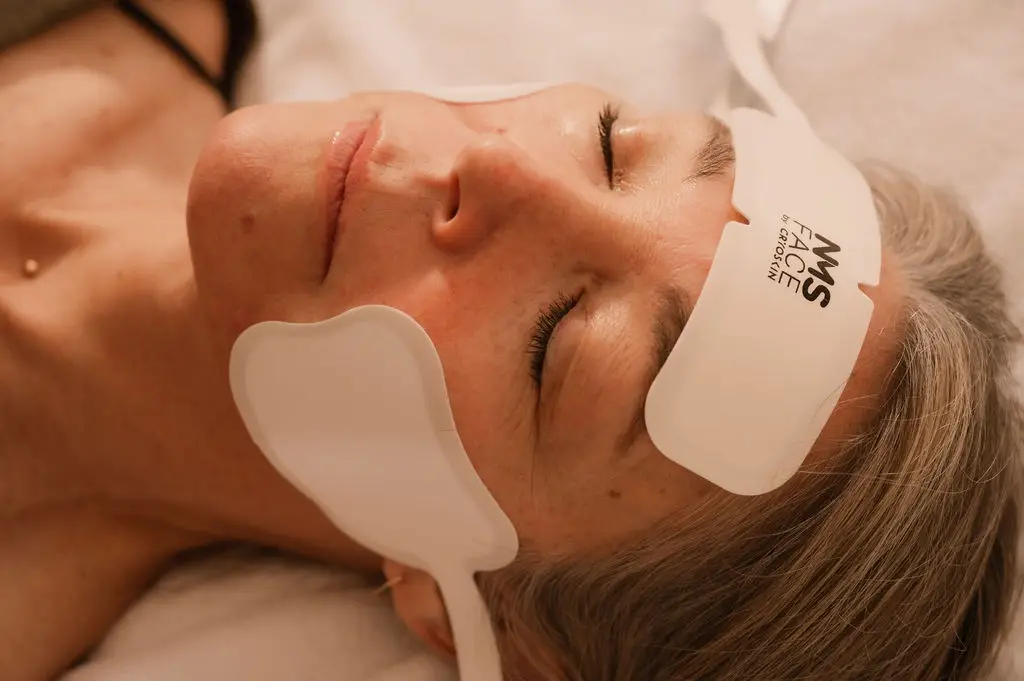

Understanding why August brings unique nervous system challenges—and how consistent self-care becomes your most powerful tool for navigating seasonal stress.
As summer fades, so does the freedom of slow mornings and spontaneous weekends.
August marks a shift—into routine, structure, and often… stress.
That’s why it’s the perfect season to find a new rhythm—to recalibrate both your schedule and your nervous system.
The Science of Seasonal Transitions
What happens in your body during major life transitions isn’t just psychological—it’s deeply physiological. Research shows that seasonal changes, particularly the shift from summer’s natural rhythms back to structured schedules, creates measurable stress responses in the autonomic nervous system¹.
Your nervous system needs maintenance, just like everything else.
Think of it as nervous system hygiene. You brush your teeth daily, wash your face nightly—but when did you last give your autonomic nervous system the same consistent care?
The autonomic nervous system (ANS) controls everything you don’t consciously think about: heart rate, digestion, immune function, and stress response. It has two main branches:
- Sympathetic nervous system: Your “fight or flight” response
- Parasympathetic nervous system: Your “rest and digest” mode
During summer, many people naturally spend more time in parasympathetic dominance—longer days, more outdoor time, flexible schedules, and increased social connection all support this relaxed state.
But August brings an abrupt shift back to:
- Early alarms and rigid schedules
- Increased indoor time and artificial lighting
- Higher cognitive demands and decision fatigue
- Reduced daylight exposure (days are already shortening)
- Social stress from work and school transitions
The Hidden Cost of Chronic Stress
Regular self-care isn’t selfish. It’s system maintenance. It’s the difference between surviving your schedule and thriving within it.
When your nervous system stays stuck in sympathetic overdrive—what researchers call “chronic stress response”—the effects compound quickly²:
Physical impacts:
- Elevated cortisol disrupts sleep quality and immune function
- Increased inflammation markers throughout the body
- Digestive issues as blood flow shifts away from the gut
- Muscle tension, particularly in the neck, shoulders, and jaw
- Accelerated cellular aging through shortened telomeres³
Cognitive impacts:
- Impaired decision-making and working memory
- Reduced creativity and problem-solving ability
- Difficulty with emotional regulation
- Increased reactivity to minor stressors
Metabolic impacts:
- Disrupted blood sugar regulation
- Increased cravings for processed foods and stimulants
- Altered hunger hormones (ghrelin and leptin)
- Reduced insulin sensitivity
When Your Nervous System is Regulated, Everything Follows
The good news? Small, consistent interventions can create profound shifts in nervous system function. Clinical research demonstrates that regular stress-reduction practices can measurably improve heart rate variability (HRV)—a key marker of nervous system resilience⁴.
When your nervous system is regulated, everything else follows:
- Sleep comes easier
- Decision-making feels clearer
- Your body handles stress without storing it
- Energy feels sustainable, not borrowed from tomorrow
The Research on Nervous System Interventions
Studies show that specific modalities can rapidly shift the nervous system from sympathetic dominance to parasympathetic activation:
Heat therapy (infrared sauna):
- Increases heart rate variability by up to 32%⁵
- Activates heat shock proteins that protect against cellular stress
- Triggers the release of norepinephrine, improving focus and mood
- Creates a controlled stress response that builds resilience
Red light therapy:
- Supports mitochondrial function at the cellular level⁶
- Reduces systemic inflammation markers
- Improves sleep quality through circadian rhythm regulation
- Enhances tissue repair and recovery
Lymphatic drainage:
- Activates the parasympathetic nervous system through gentle, rhythmic pressure⁷
- Supports detoxification pathways that can become sluggish under chronic stress
- Reduces cortisol levels and inflammatory cytokines
- Improves circulation and nutrient delivery
Building Nervous System Resilience
The transition back to routine doesn’t have to mean abandoning yourself. It means creating space for the kind of care that keeps you grounded when everything else speeds up.
Research from Harvard Medical School shows that consistency matters more than intensity when it comes to stress management⁸. A 15-minute daily practice creates more lasting neurological changes than occasional hour-long sessions.
Evidence-based strategies for nervous system support:
Morning protocols:
- 5-10 minutes of sunlight exposure to regulate circadian rhythms
- Cold exposure (even 30 seconds of cold water) to build stress resilience
- Breathwork: 4-7-8 breathing pattern activates parasympathetic response
Workday interventions:
- Micro-breaks every 90 minutes (matching natural ultradian rhythms)
- Progressive muscle relaxation between meetings
- Brief walks outdoors to reset cortisol levels
Evening practices:
- Heat therapy (sauna, hot bath, or infrared therapy)
- Blue light limitation 2 hours before bed
- Gentle movement or stretching to discharge tension
The WORTHY Approach to Nervous System Support
This August, instead of white-knuckling through the shift, what if you built nervous system care right into your new rhythm?
At WORTHY Self-Care Studio, we’ve designed our services around the science of nervous system regulation. Three modalities work synergistically to shift your nervous system from chronic stress to restorative mode:
The physiological sequence:
- Infrared sauna creates controlled heat stress, triggering beneficial adaptations while activating parasympathetic recovery
- Red light therapy supports cellular repair and circadian rhythm regulation
- BallancerPro lymphatic drainage completes the cycle with gentle, rhythmic pressure that deepens parasympathetic activation
This isn’t just relaxation—it’s nervous system training. Each session builds your capacity to handle stress without storing it in your body.
Why Timing Matters
Because worthy self-care isn’t what you do when you have time—it’s what creates the capacity for everything else you need to do.
Neuroscience research shows that the brain is most adaptable during periods of transition⁹. This neuroplasticity window makes August an ideal time to establish new patterns that will serve you through fall and winter.
The compound effect of consistent care:
- Week 1-2: Immediate stress relief and improved sleep
- Week 3-4: Enhanced stress resilience and emotional regulation
- Month 2-3: Measurable improvements in HRV and inflammatory markers
- Long-term: Increased capacity for handling life’s demands without burnout
Your future self, three months deep into fall chaos, will thank you for starting now.
The question isn’t whether you have time for nervous system care—it’s whether you can afford not to invest in the foundation that supports everything else in your life.
WORTHY Self-Care Studio in Berkeley specializes in evidence-based nervous system support through infrared sauna, red light therapy, lymphatic drainage, and targeted wellness protocols. To learn more about building nervous system resilience this season, visit worthyselfcare.com or schedule a consultation.
References
- Journal of Environmental Psychology. “Seasonal transitions and psychological well-being: The role of environmental factors.” 2019.
- Nature Reviews Neuroscience. “The neurobiology of stress: from serendipity to clinical relevance.” 2017.
- PNAS. “Accelerated telomere shortening in response to life stress.” 2004.
- Frontiers in Human Neuroscience. “Heart rate variability as a marker of cardiovascular health and psychological resilience.” 2018.
- Journal of Human Kinetics. “Effects of regular sauna bathing on cardiovascular function.” 2018.
- Photomedicine and Laser Surgery. “The effect of red and near-infrared light therapy on mitochondrial function.” 2017.
- Journal of Alternative and Complementary Medicine. “Manual lymphatic drainage and autonomic nervous system function.” 2020.
- Harvard Health Publishing. “Why stress management should be a daily practice.” 2019.
- Current Biology. “Neural plasticity and stress adaptation across the lifespan.” 2016.